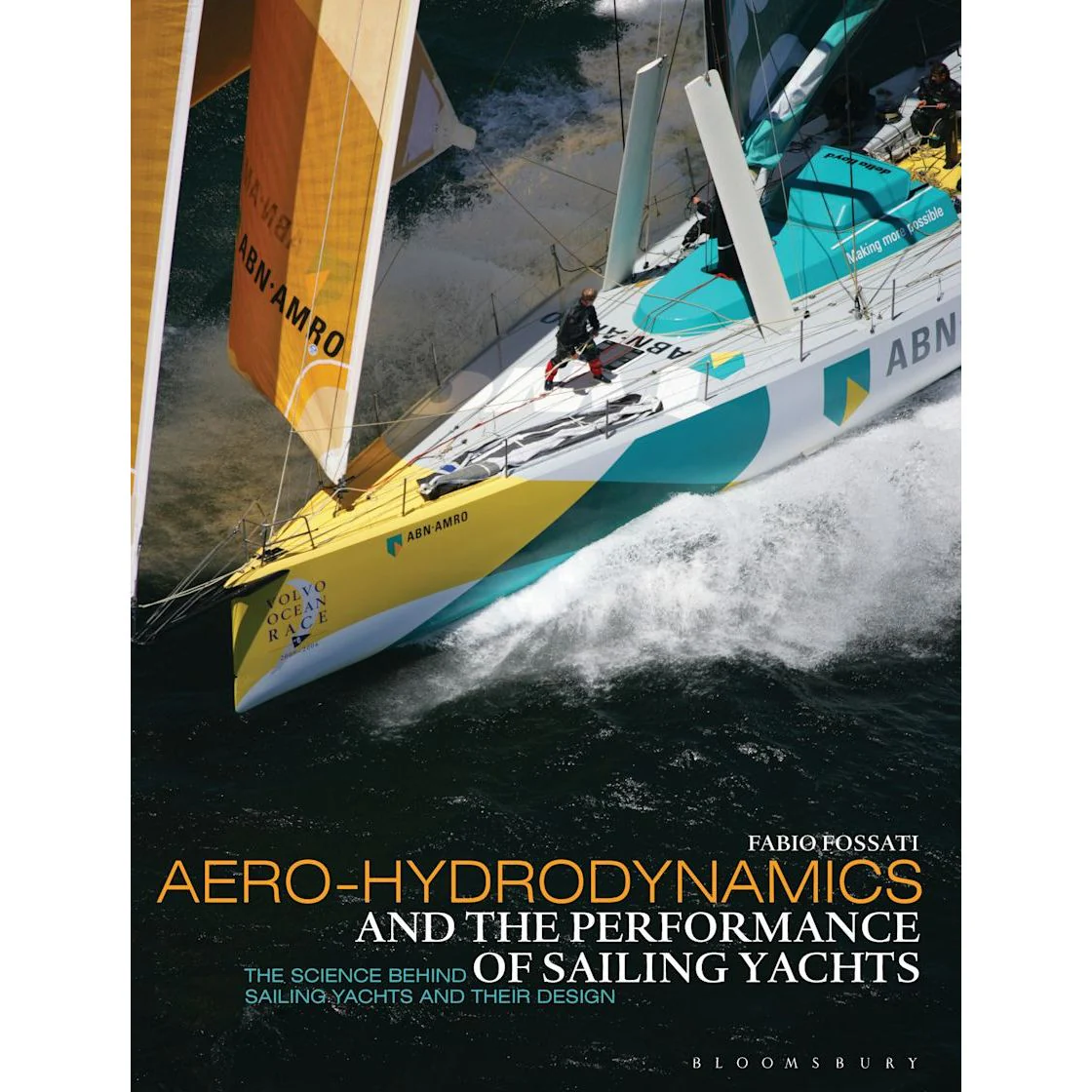
Aero-hydrodynamics and the Performance of Sailing Yachts
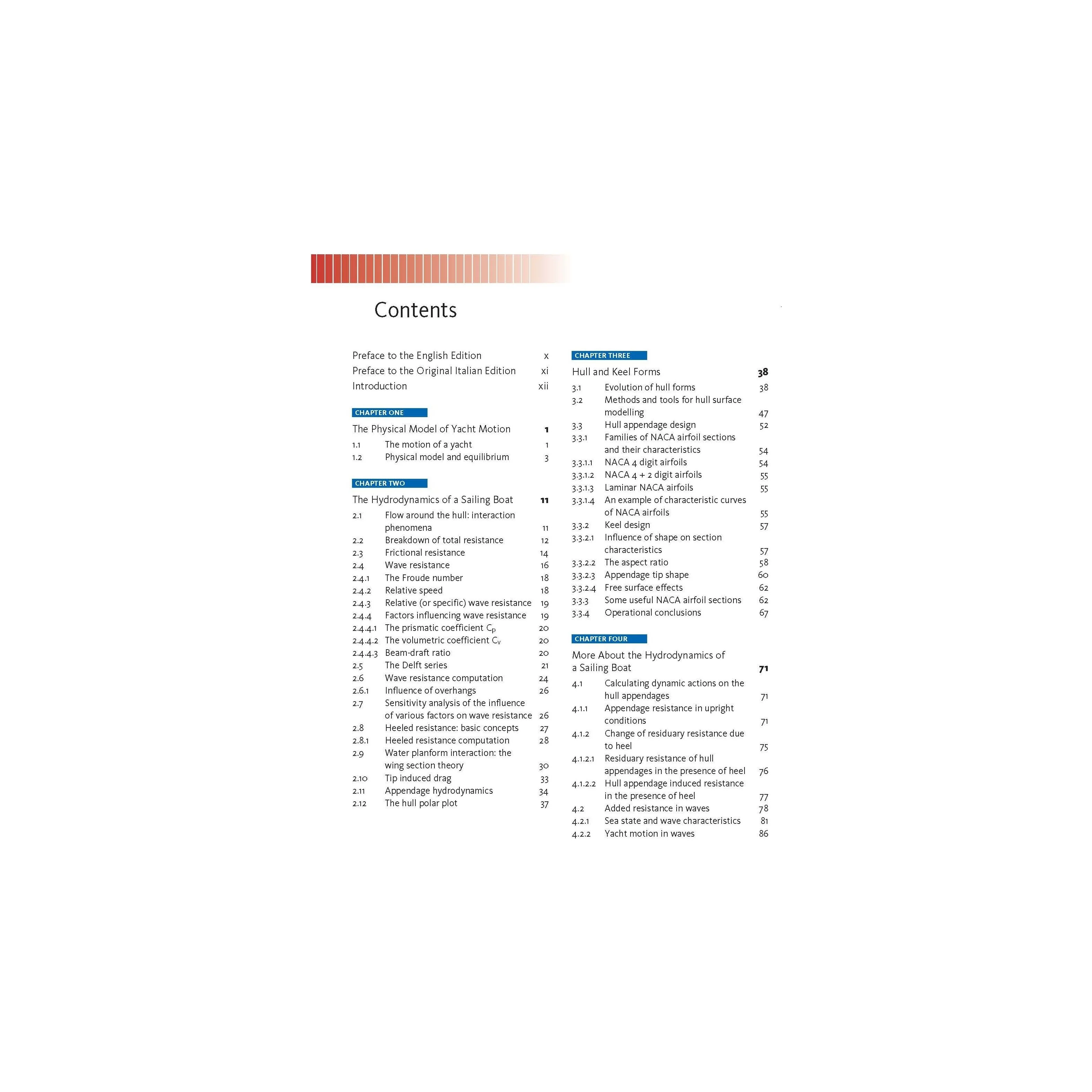
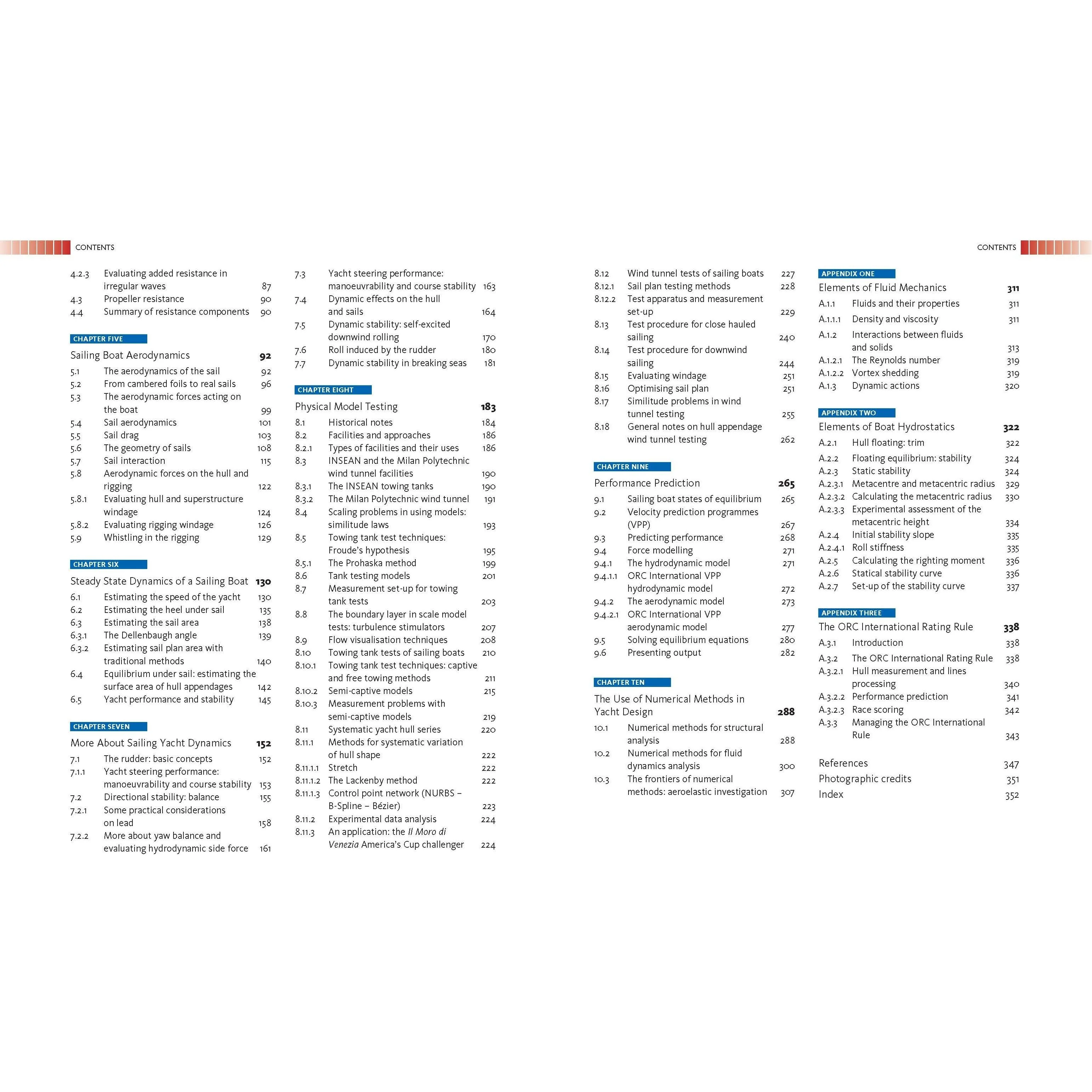
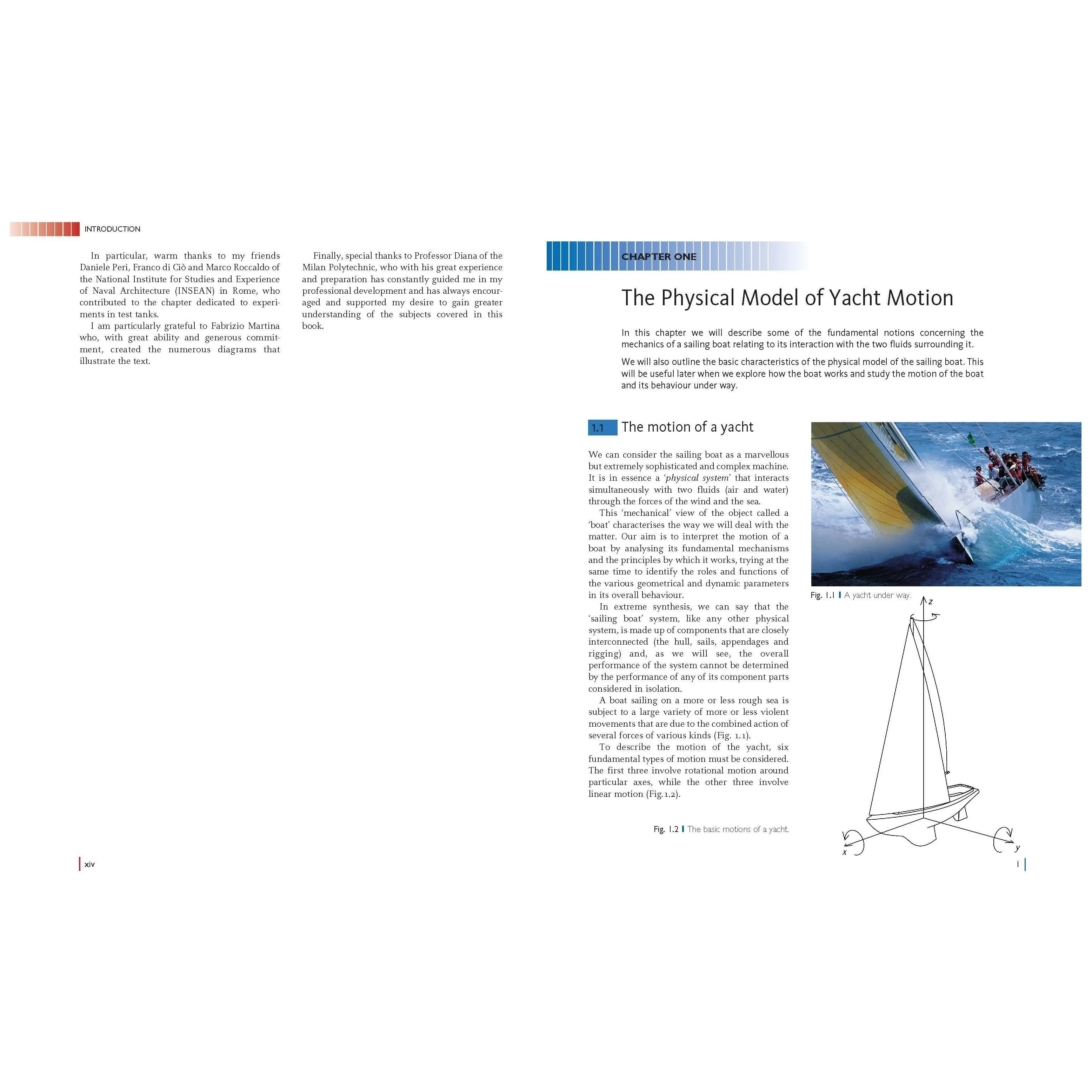
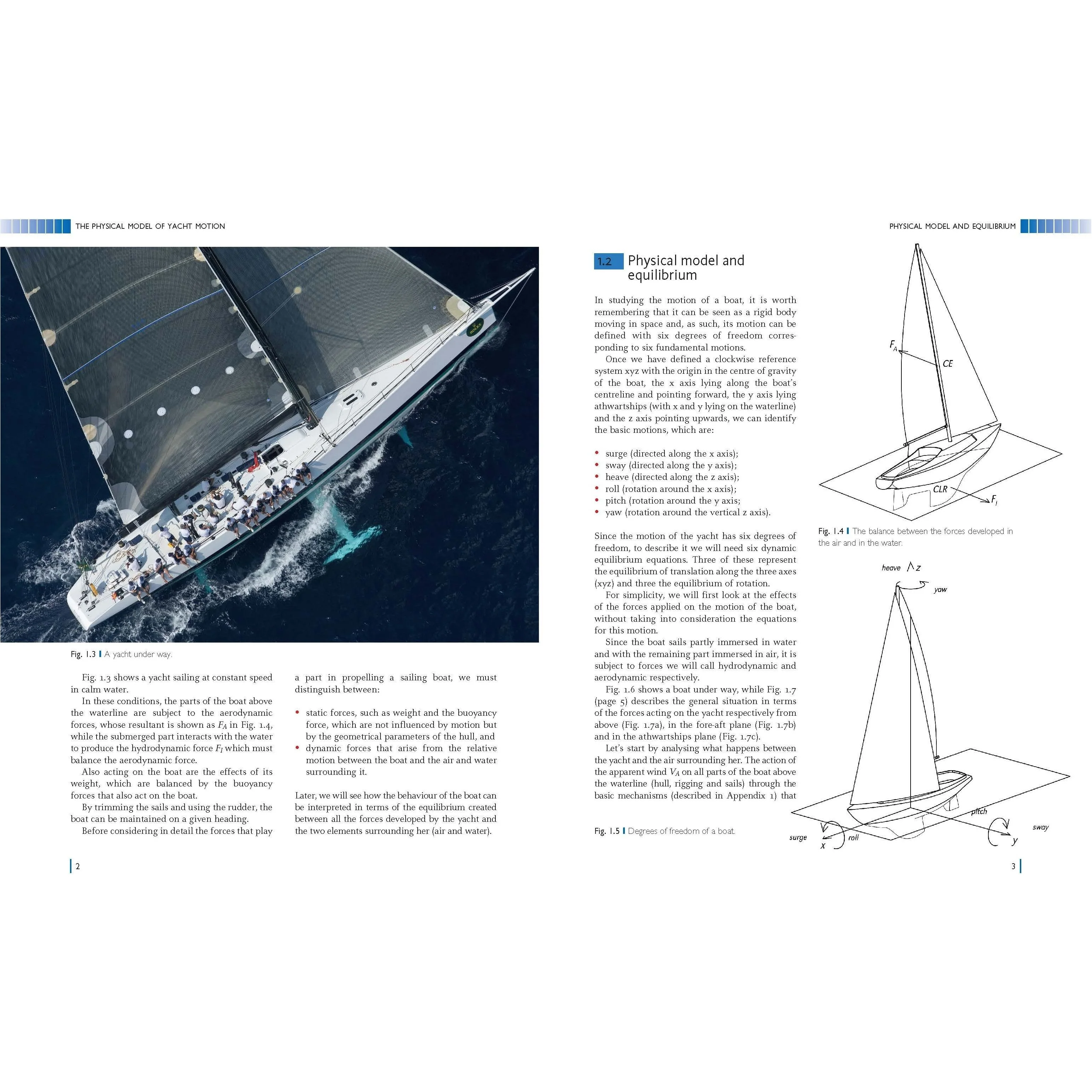
Aero-Hydrodynamics and the Performance of Sailing Yachts by Fabio Fossati is a comprehensive technical analysis of yacht design, focusing on the aerodynamic and hydrodynamic principles that influence a sailing yacht's performance. Drawing from years of research and testing in wind tunnels and towing tanks, Fossati presents state-of-the-art insights into performance prediction, which are fundamental to modern yacht design.
Key Features of the Book
- In-depth examination of aerodynamic forces acting on sails and hulls.
- Analysis of hydrodynamic interactions between hulls, keels, and rudders.
- Detailed discussions on performance prediction methods.
- Illustrations with colour photographs, diagrams, and graphs to elucidate complex concepts.
This book serves as an essential resource for professional yacht designers, racing sailors, and students of yacht design, offering a systematic and up-to-date analysis of the factors governing yacht behaviour under sail.
About the Author
Fabio Fossati has been the scientific coordinator for wind tunnel testing of sailing yachts at Milan Polytechnic since 2004. He was in charge of wind tunnel testing for the Prada Challenge and Luna Rossa America's Cup teams, bringing a wealth of practical and research experience to his analysis of yacht performance.
More Images
Aero-hydrodynamics and the Performance of Sailing Yachts
Aero-Hydrodynamics and the Performance of Sailing Yachts by Fabio Fossati is a comprehensive technical analysis of yacht design, focusing on the aerodynamic and hydrodynamic principles that influence a sailing yacht's performance. Drawing from years of research and testing in wind tunnels and towing tanks, Fossati presents state-of-the-art insights into performance prediction, which are fundamental to modern yacht design.
Key Features of the Book
- In-depth examination of aerodynamic forces acting on sails and hulls.
- Analysis of hydrodynamic interactions between hulls, keels, and rudders.
- Detailed discussions on performance prediction methods.
- Illustrations with colour photographs, diagrams, and graphs to elucidate complex concepts.
This book serves as an essential resource for professional yacht designers, racing sailors, and students of yacht design, offering a systematic and up-to-date analysis of the factors governing yacht behaviour under sail.
About the Author
Fabio Fossati has been the scientific coordinator for wind tunnel testing of sailing yachts at Milan Polytechnic since 2004. He was in charge of wind tunnel testing for the Prada Challenge and Luna Rossa America's Cup teams, bringing a wealth of practical and research experience to his analysis of yacht performance.
Product Information
Product Information
Shipping & Returns
Shipping & Returns
Description
Aero-Hydrodynamics and the Performance of Sailing Yachts by Fabio Fossati is a comprehensive technical analysis of yacht design, focusing on the aerodynamic and hydrodynamic principles that influence a sailing yacht's performance. Drawing from years of research and testing in wind tunnels and towing tanks, Fossati presents state-of-the-art insights into performance prediction, which are fundamental to modern yacht design.
Key Features of the Book
- In-depth examination of aerodynamic forces acting on sails and hulls.
- Analysis of hydrodynamic interactions between hulls, keels, and rudders.
- Detailed discussions on performance prediction methods.
- Illustrations with colour photographs, diagrams, and graphs to elucidate complex concepts.
This book serves as an essential resource for professional yacht designers, racing sailors, and students of yacht design, offering a systematic and up-to-date analysis of the factors governing yacht behaviour under sail.
About the Author
Fabio Fossati has been the scientific coordinator for wind tunnel testing of sailing yachts at Milan Polytechnic since 2004. He was in charge of wind tunnel testing for the Prada Challenge and Luna Rossa America's Cup teams, bringing a wealth of practical and research experience to his analysis of yacht performance.